
Burning, gritty eyes and fluctuating vision can make reading, driving, screen use, and contact lens wear uncomfortable. When artificial tears provide only temporary help, the problem may involve the oil-producing glands along the eyelids.
Meibomian gland dysfunction is a common contributor to evaporative dry eye. A targeted evaluation can identify gland blockages, tear-film instability, and inflammation so care addresses more than the symptoms alone.
What Is Meibomian Gland Dysfunction?
Meibomian glands produce oils that form the outer layer of the tear film. These oils slow tear evaporation and help keep the surface of the eye smooth and comfortable.
When the glands become blocked or their oils thicken, tears may evaporate too quickly. This can lead to irritation even when the eyes appear watery.
Possible symptoms include:
- Burning, stinging, or gritty eyes
- Red or swollen eyelid margins
- Fluctuating or blurry vision
- Sensitivity to light or wind
- Watery eyes
- Contact lens discomfort
- Recurrent styes
- Crusting around the eyelashes
MGD may occur alongside blepharitis, ocular rosacea, contact lens wear, or environmental irritation. Symptoms can vary, so an examination is necessary to determine the underlying cause.
Effective meibomian gland dysfunction treatment focuses on improving tear quality and gland function, not simply adding temporary moisture.
How Is MGD Diagnosed?
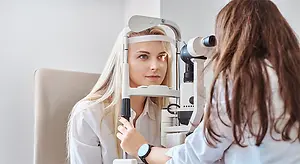
An eye exam for dry eye symptoms may include an evaluation of the eyelids, tear-film stability, corneal surface, and meibomian gland secretions. The optometrist may also discuss medications, medical conditions, screen habits, contact lens wear, and environmental triggers.
A comprehensive eye exam helps rule out prescription changes and other eye conditions that may cause similar symptoms. At Commerce Family Eyecare, family eyecare for dry eye may also involve tear evaluation and corneal imaging before a treatment plan is recommended.
How Does IPL for Dry Eye Work?
Intense pulsed light delivers controlled pulses of light to the skin around the eyes while the eyes remain protected. The treatment is intended to address inflammation and abnormal blood vessels that may contribute to meibomian gland dysfunction.
The light energy also creates controlled warmth, which may help soften thickened oils within the glands. The optometrist may combine IPL for dry eye with gentle gland expression or other therapies to help restore a healthier oil layer.
IPL does not cure dry eye, and results vary. It is generally used as one part of a broader plan rather than as a replacement for every other form of care.
What Is Envision Dry Eye Therapy?
Commerce Family Eyecare offers Envision by InMode, an in-office platform that provides energy-based options for dry eye and eyelid concerns. Depending on the patient’s findings, care may include light-based treatment or radiofrequency therapy.
Radiofrequency applies controlled warmth around the eyelids to help soften thick oils and support gland expression. When combined with IPL, eyelid hygiene, prescription drops, or other therapies, it can provide a more personalized approach to chronic dry eye relief.
Appointments generally do not require incisions or general anesthesia. Treatment schedules vary according to the severity of MGD, the selected technology, and the patient’s response.
Is Intense Pulsed Light Right for Everyone?
No. A dry eye optometrist must determine whether IPL is appropriate after reviewing the patient’s symptoms, skin type, eye health, medications, and medical history.
During treatment, protective eye shields are used, and light pulses are applied to designated areas of skin. Some patients experience temporary warmth or redness afterward. The optometrist will explain preparation, aftercare, expected sensations, and potential risks before treatment begins.
What Other Treatments May Help?
MGD care may combine several approaches based on the cause and severity of the condition:
- Warm compresses and eyelid hygiene
- Preservative-free artificial tears
- Prescription anti-inflammatory drops
- Radiofrequency therapy
- Scleral or moisture-preserving contact lenses
- Changes to screen, contact lens, or environmental habits
A personalized plan allows treatment to be adjusted when symptoms, gland function, or daily needs change.
Schedule a Dry Eye Evaluation in Commerce
Persistent dry eye can interfere with everyday comfort, but repeated use of over-the-counter drops may not address blocked or inflamed meibomian glands.
Commerce Family Eyecare provides advanced dry eye evaluations and individualized care, including Envision therapy, for patients in Commerce and surrounding communities. Schedule an appointment to learn whether IPL, radiofrequency, or another approach may be appropriate.